Fractions4 min read
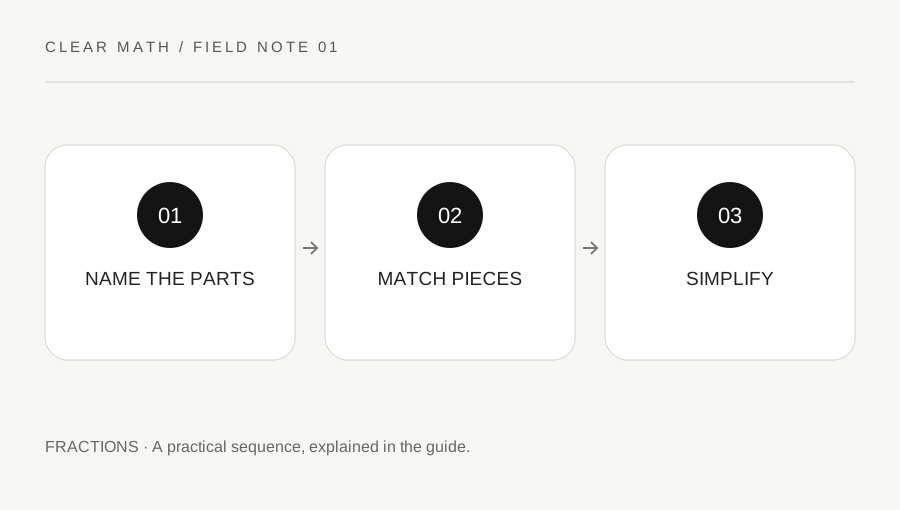
A denominator names the size of a piece. Before combining fractions, make those pieces comparable. A short drawing and a careful equivalent-fraction step make the arithmetic easier to check.
Read the complete guide ↗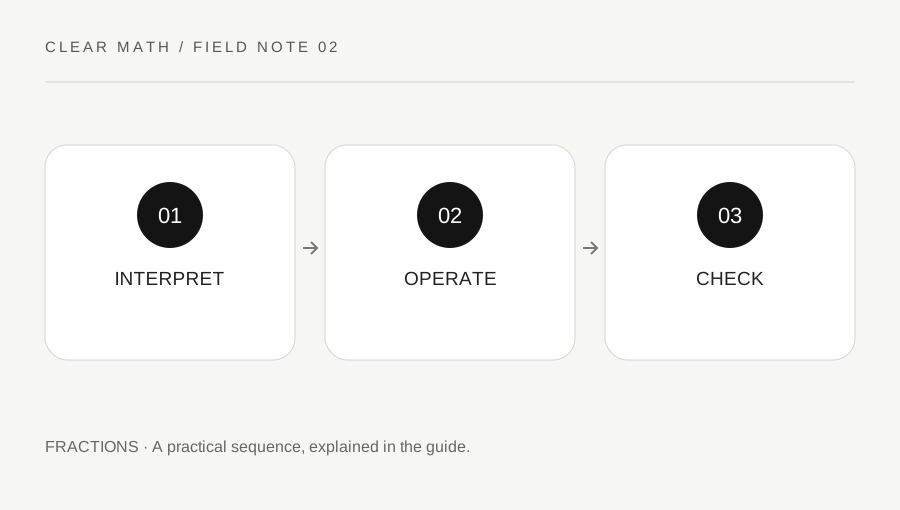
Fractions4 min read
Multiplication can mean taking part of a quantity. Division can ask how many groups fit. Connect those meanings to the written rules before practicing with positive and negative fractions.
Read the complete guide ↗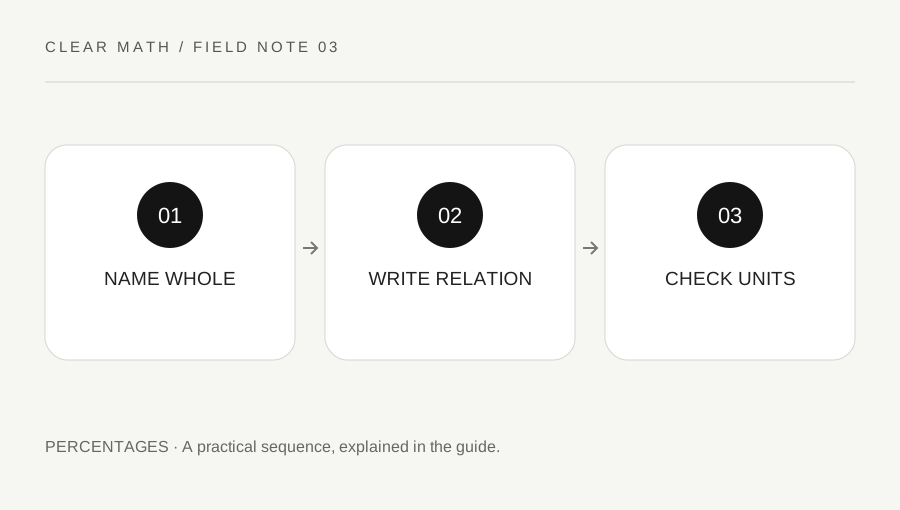
Percentages4 min read
A percentage describes a part relative to a stated whole. Identify what is known and what is missing before choosing a calculation. The same relationship solves three common kinds of question.
Read the complete guide ↗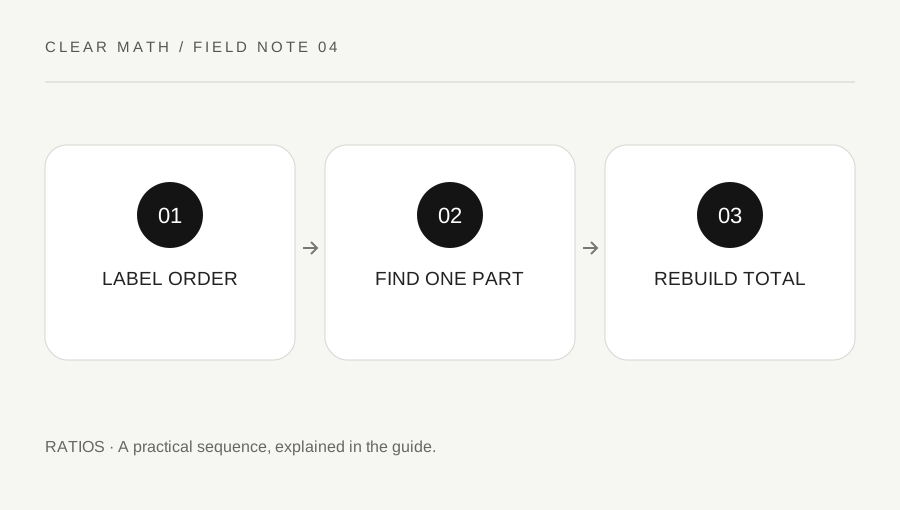
Ratios4 min read
A ratio compares quantities in a stated order. Sharing a total and scaling a known pair are related tasks, but they start with different information. Label the parts before calculating.
Read the complete guide ↗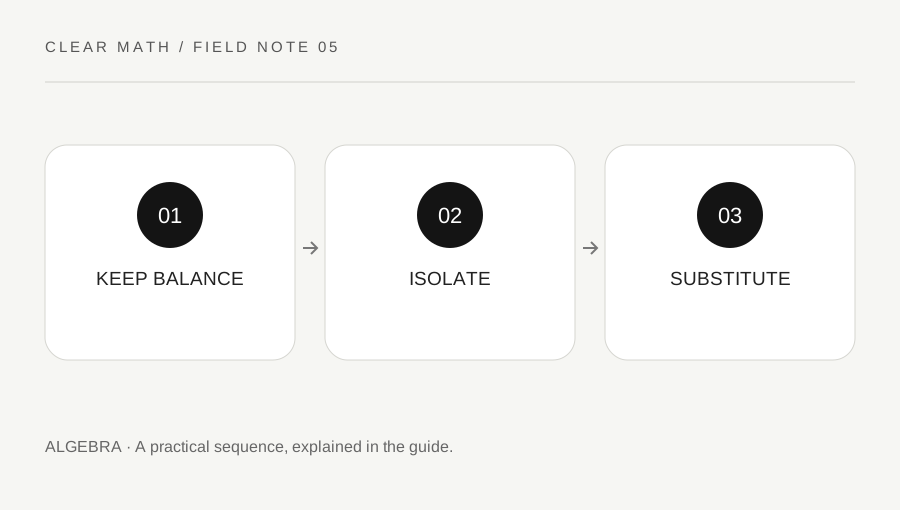
Algebra4 min read
An equation states that two expressions have the same value. Solve it by preserving that equality, then substitute your answer into the original statement to see whether it works.
Read the complete guide ↗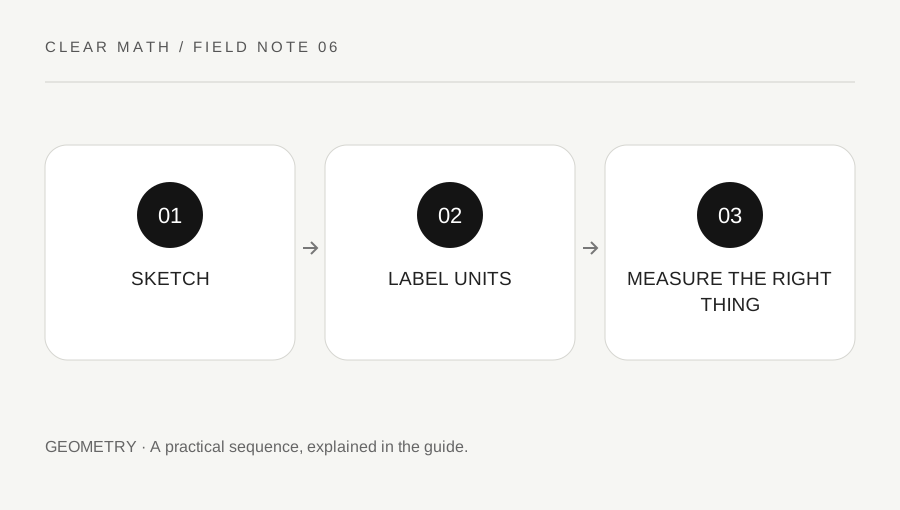
Geometry4 min read
Perimeter measures a boundary. Area measures a surface. A labeled sketch, compatible units and a sensible estimate prevent many errors before any formula is used.
Read the complete guide ↗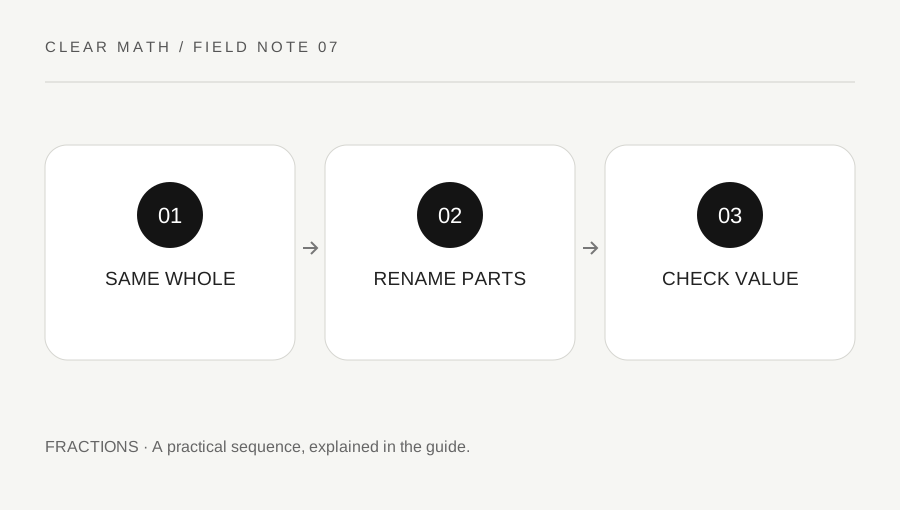
Fractions4 min read
Equivalent fractions describe the same number using different equal-sized parts. Learn why multiplying or dividing both parts by the same nonzero factor preserves the value, then use that idea to simplify.
Read the complete guide ↗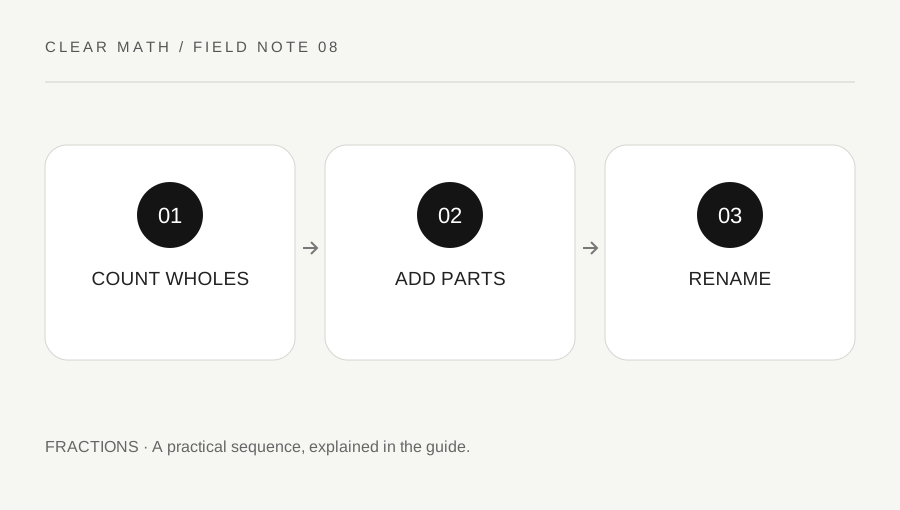
Fractions4 min read
A mixed number combines a whole-number part and a proper fraction. Convert by counting equal fractional units, and pay particular attention to grouping when negative signs are involved.
Read the complete guide ↗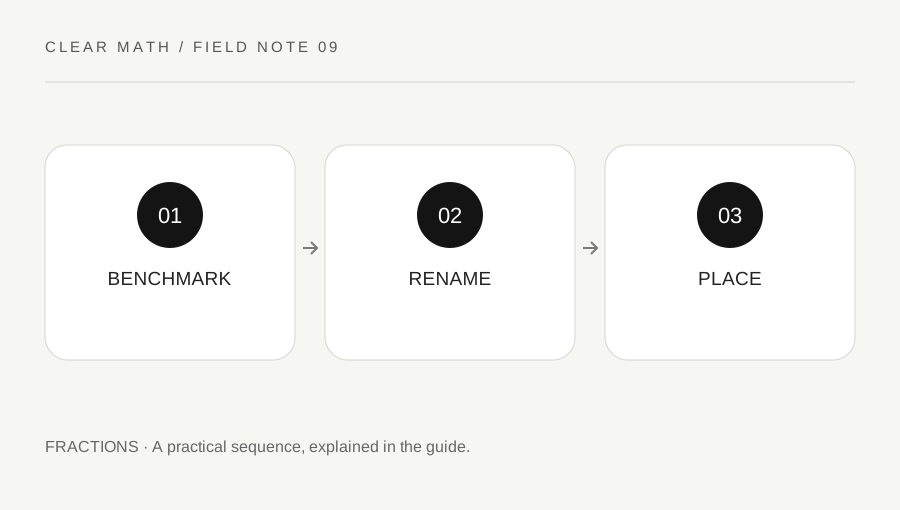
Fractions4 min read
A larger denominator does not automatically mean a larger fraction. Compare equal units, use useful benchmarks and remember that negative numbers reverse some familiar intuitions about size.
Read the complete guide ↗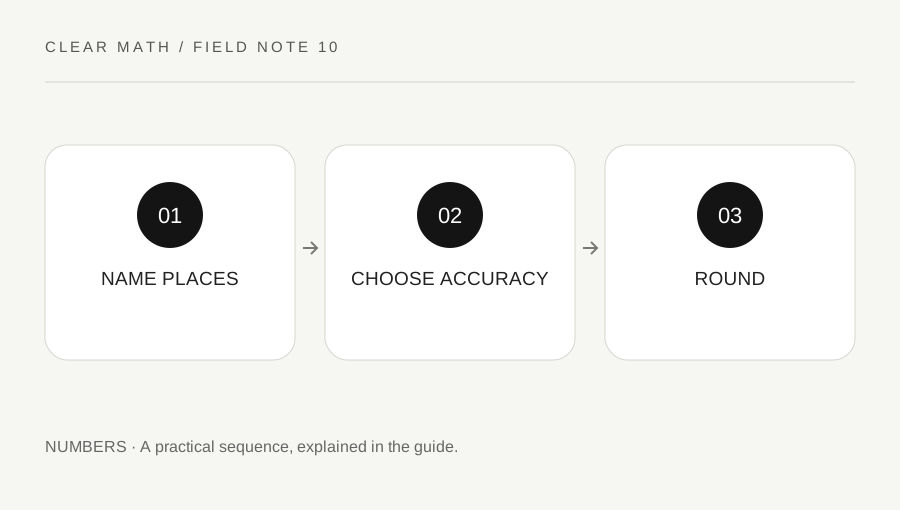
Numbers4 min read
A decimal digit gets its value from its position. Read the places first, then use the next place to decide a rounding step. Zeros can preserve meaning even when they do not change the numerical value.
Read the complete guide ↗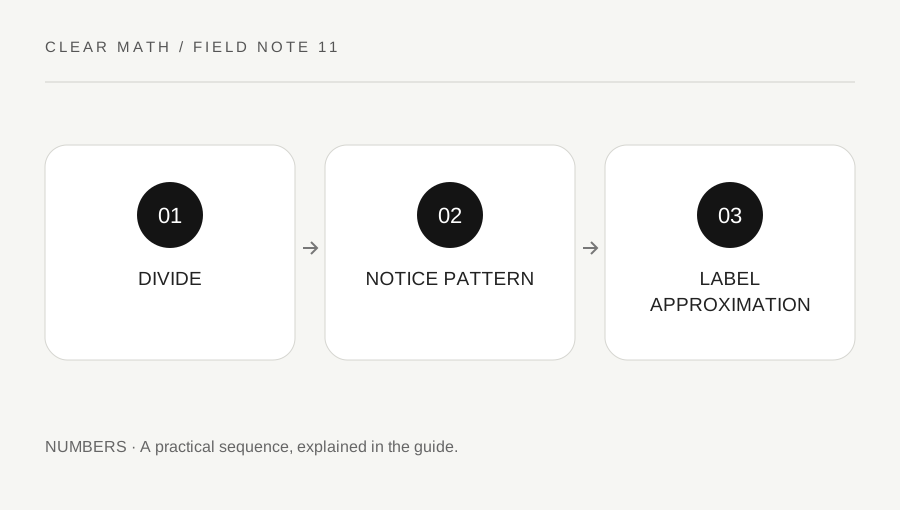
Numbers4 min read
A fraction and a decimal can name the same number. Some fractions end neatly in decimal form; others repeat. Keep an exact fraction when rounding would hide the relationship you need.
Read the complete guide ↗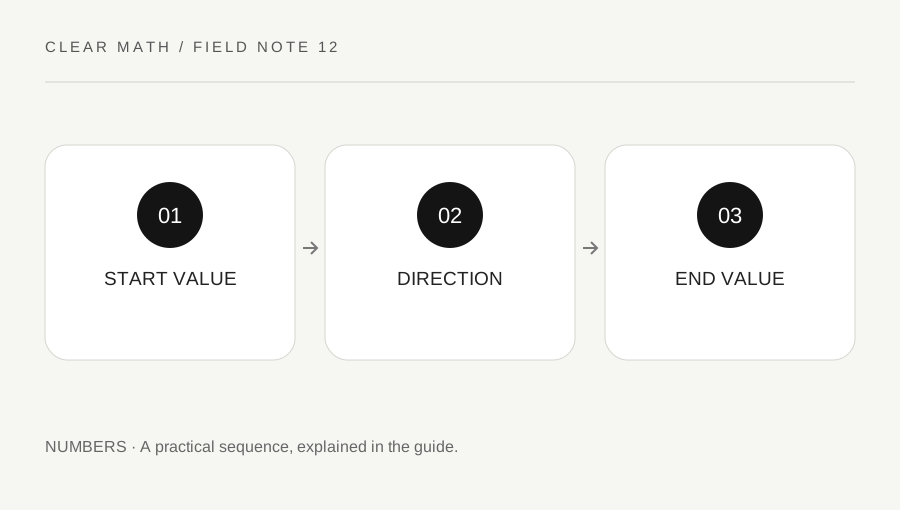
Numbers4 min read
Negative numbers extend the number line to the left of zero. Separate the sign of a value from the operation being performed, and use a consistent model to explain each step.
Read the complete guide ↗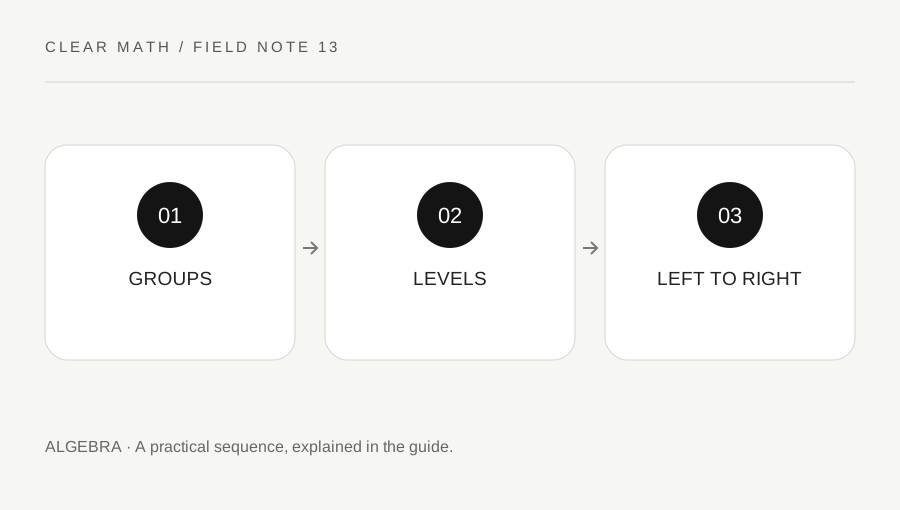
Algebra4 min read
Operation order makes a written expression unambiguous. Work inside grouping symbols first, handle powers, then perform multiplication and division together before addition and subtraction together.
Read the complete guide ↗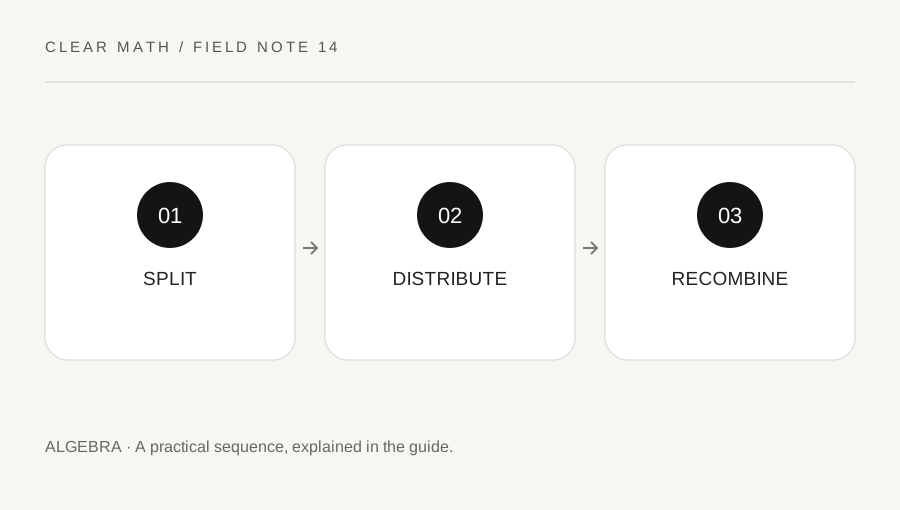
Algebra4 min read
Distribution connects a product with a sum. Use a rectangular model and careful signs to understand expansion, then reverse the same relationship when factoring a common term.
Read the complete guide ↗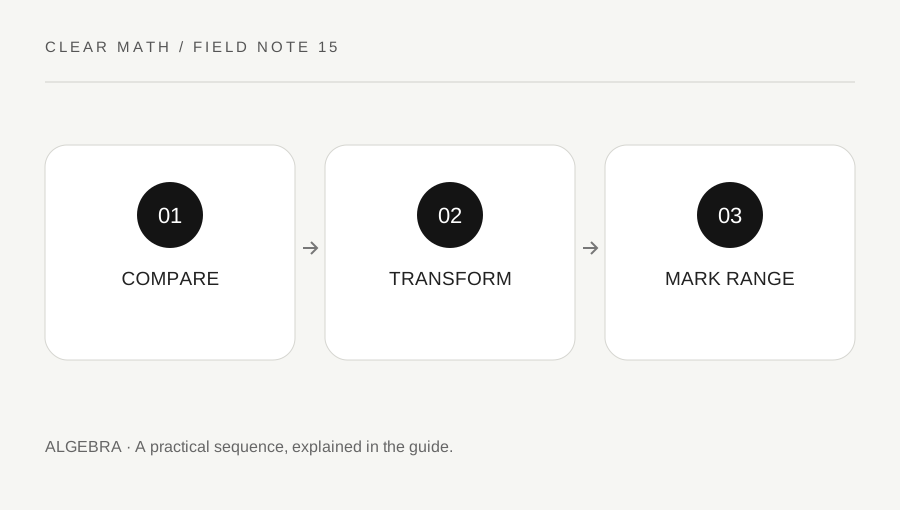
Algebra3 min read
An inequality describes a range of possible values. Preserve the comparison while simplifying, and show whether the boundary itself belongs to the answer.
Read the complete guide ↗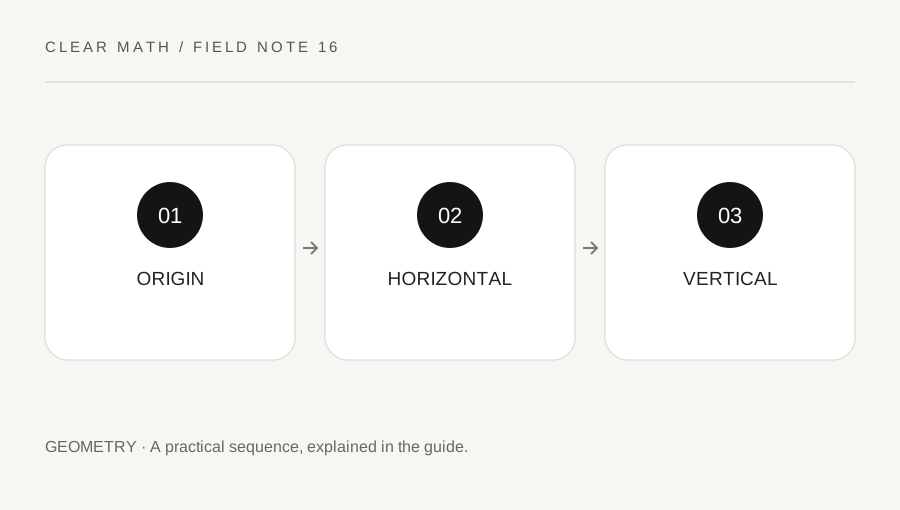
Geometry3 min read
An ordered pair describes a position relative to an origin and two axes. Its order, scale and signs matter. Build a consistent plotting routine before connecting points into a graph.
Read the complete guide ↗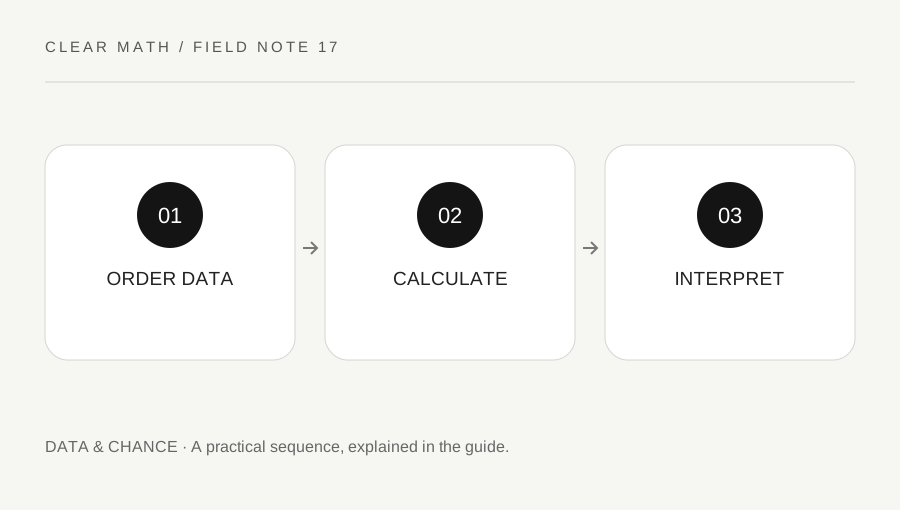
Data & chance4 min read
An average helps only when its meaning is clear. Calculate three common summaries, see how they react to an unusual value, and keep the original observations and units available.
Read the complete guide ↗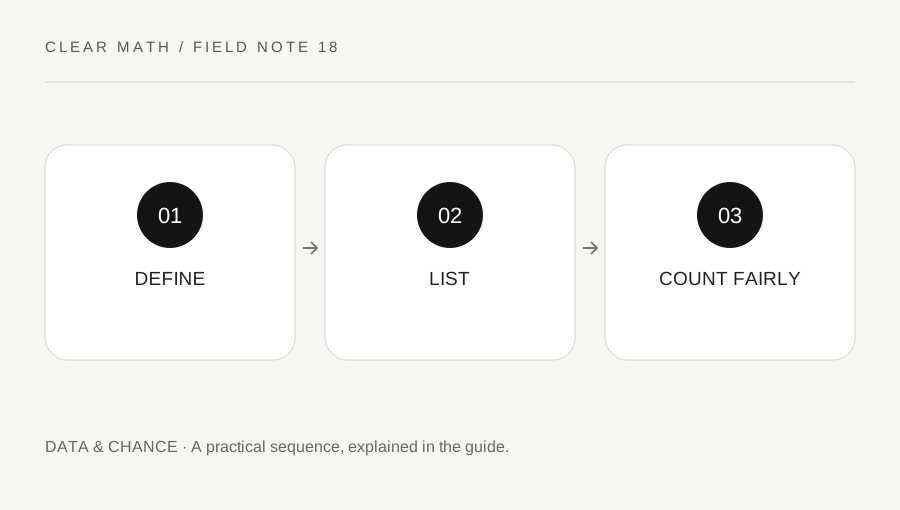
Data & chance3 min read
The favorable-outcomes fraction requires equally likely outcomes. Define the experiment, list its possible results and check that assumption before converting counts into a probability.
Read the complete guide ↗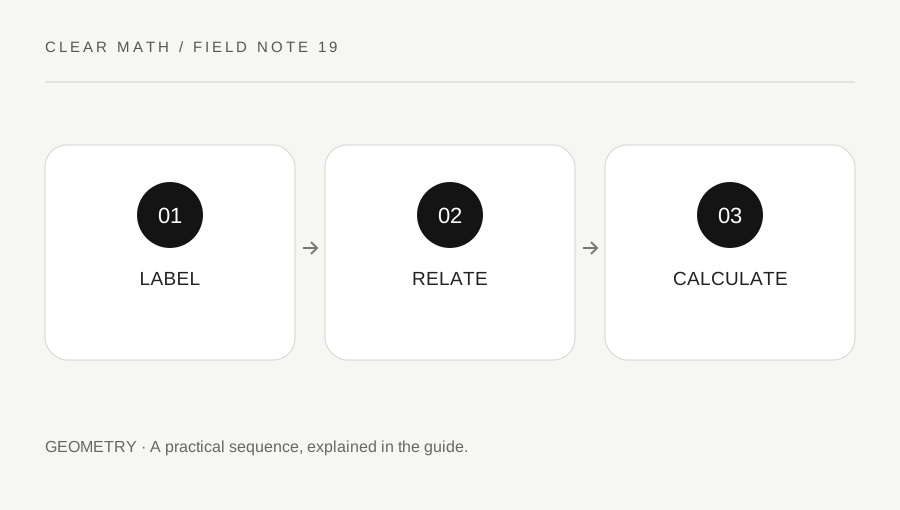
Geometry4 min read
An angle measures turning between rays. Label the diagram and state the relationship before finding a missing value. A printed opening that looks nearly right is not a measurement.
Read the complete guide ↗
Geometry3 min read
The relationship a² + b² = c² applies to a right triangle, with c opposite the right angle. Identify those roles before entering any lengths into the formula.
Read the complete guide ↗